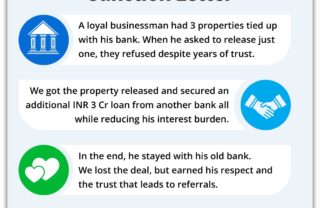
Not every victory results in a letter of sanc
One of a devoted businessman's three mortgaged properti...
September 29, 2025




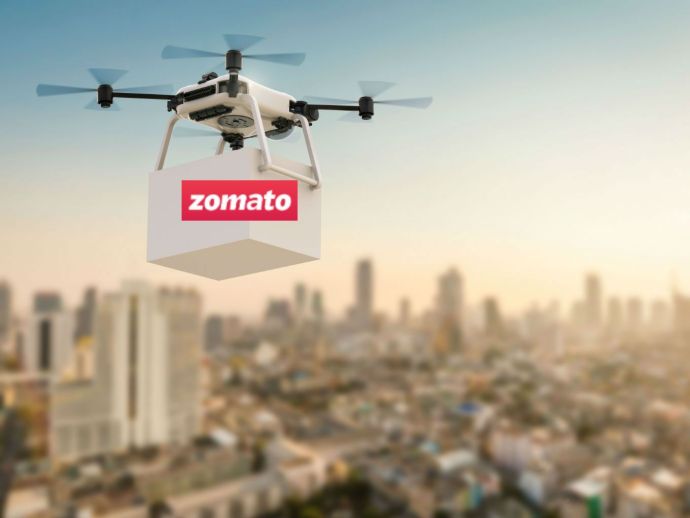
Imagine ordering dinner and instead of a delivery executive navigating traffic, a drone carries your food through the sky and reaches you in minutes.
It sounds futuristic, but drone delivery has already been tested in India. Zomato, for example, tested a drone capable of covering 5 km in about 10 minutes while carrying a 5 kg payload.
The biggest advantage is obvious:
*No traffic. Faster delivery. Potentially lower delivery costs.*
But there is another side to this story that we should not ignore.
*What happens to the people currently making these deliveries?*
Zomato, Swiggy, Zepto, Porter and other platforms have created income opportunities for thousands of delivery partners. If drones eventually take over a significant part of last mile delivery, riders could face fewer orders, reduced earning opportunities or, in some cases, job displacement.
For many, this isn’t just a delivery app.
*It is their livelihood.*
That is why the future may not simply be about replacing humans with machines.
It could be about creating a *hybrid model*, where drones handle the longer journey while people manage local delivery, customer interaction, loading, unloading, operations and other tasks.
Technology will undoubtedly change the way we deliver.
But as we build faster systems, we also need to ask:
*Are we building a future that is only more efficient, or one that is also more inclusive?*
One day, when your food is late, you may not be checking the road.
*You may be looking at the sky.*
But let’s make sure we don’t forget the people who helped us get there.
*Source:* Indian Express, Explained: Zomato tests drone delivery tech, but is it legal?
One of a devoted businessman's three mortgaged properti...
Would you stand in a 2-km queue for a ₹2,000 watch?...